

DragonFire Kopa Paddle Tire: Ultimate Dune Traction
|
|
Time to read 5 min
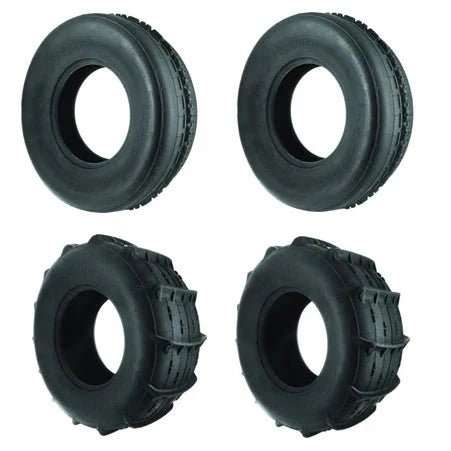
Looking for maximum flotation, hook-up, and speed in the dunes? This in-depth guide breaks down the DragonFire Kopa Paddle Tire—what it is, who it’s for, how to size it, and the setup tips that actually matter on the sand.

On dunes and ultra-soft surfaces, a standard all-terrain or mud tire tends to dig, trench, and waste power. A paddle tire uses wide, low-pressure carcasses and raised “paddles” to push sand rearward, converting rotation into clean forward thrust. The result is flotation over the surface, stronger hill pulls, and faster transitions across bowls and ridges. If your playground is Glamis, Dumont, St. Anthony, Oregon Dunes, or Silver Lake, paddle tires are the single biggest upgrade you can feel in the seat.
The DragonFire Kopa is purpose-built for UTVs that need a smart balance of traction, spin, and speed. Riders love it because it floats easily, hooks up when you need it, and doesn’t feel “draggy” on long WOT pulls.

If you spend real time in the sand—bowls, razorbacks, and steep faces—and you want a tire that hustles without beating up the drivetrain, the Kopa sits in the sweet spot. It’s appropriate for Polaris RZR Pro R / Turbo R / Pro XP, Can-Am Maverick R / X3, Kawasaki KRX 1000, Honda Talon, and more, provided you size and pair it correctly.
Choosing the right size and wheel combo matters as much as the tire itself. Here’s a simple framework to get you dialed:
Need a second opinion on sizing? Reach out—our team dials in sand-ready kits every season and can recommend the best combo for your machine and riding style.
Don’t forget harnesses before your next dune trip, and check our Trinity Racing collection if you’re chasing extra power to turn paddles with authority.
Start mid-range and adjust based on the day’s sand. Cooler, damp mornings can handle a bit more PSI; hot, sugary afternoons may like a touch less to keep flotation. Avoid going so low that you risk burping a bead on hard g-outs.
Paddles increase load. If you feel the car struggling to hold RPM, consider a clutch tune appropriate for your tire diameter and overall mass. Proper clutching brings the motor back to its happy place—strong pull, cooler temps, better belt life.
Mount in the correct rotational direction. “Clocking” the paddles consistently across the set helps keep the car straight on full-throttle pulls and reduces steering corrections at speed.
Have your paddles balanced. Then, after each trip, inspect paddle edges and casing for nicks or heat checking. Rinse thoroughly—leftover grit bakes on and ages rubber.
In the real world, Kopa sits in that “fast all-arounder” zone: enough paddle to launch hard and climb steep without turning your car into a tractor. Some hyper-aggressive paddles may offer a harder initial hit but carry extra drag on long WOT runs; lighter-duty options may spin up faster but give up forward bite on steep faces. The Kopa keeps you moving efficiently across varying sand conditions and temps—exactly what most dune riders want out of a weekend set.

Go with ribbed or directional sand fronts for crisp turn-in and better tracking across blow-sand. Match diameter to your rears for chassis balance.
Paddles are sand-only. Limit them to dunes to protect the paddle edges and casing. Swap back to your trail set when you leave the sand.
If you’re switching to a larger diameter or adding weight versus stock, a clutch calibration is a smart move to hold RPM, improve belt life, and keep temps under control.
There’s no single “right” number—conditions vary by location and time of day. Start mid-range, then adjust for traction vs. stability. If the car feels boggy, add a touch of pressure; if it trenches late in the day, try a touch less.
Ready to upgrade your sand game? We build turn-key dune packages—rear paddles, matched front ribs, and beadlocks that fit right and run true. While you’re here, level up control with RAD 4-Point Harnesses, and explore power adders in our Trinity Racing collection to keep the motor happy on big climbs.
First time here? Use code RAD5 to save 5% on your first purchase.
|
|
Time to read 5 min
Looking for maximum flotation, hook-up, and speed in the dunes? This in-depth guide breaks down the DragonFire Kopa Paddle Tire—what it is, who it’s for, how to size it, and the setup tips that actually matter on the sand.
On dunes and ultra-soft surfaces, a standard all-terrain or mud tire tends to dig, trench, and waste power. A paddle tire uses wide, low-pressure carcasses and raised “paddles” to push sand rearward, converting rotation into clean forward thrust. The result is flotation over the surface, stronger hill pulls, and faster transitions across bowls and ridges. If your playground is Glamis, Dumont, St. Anthony, Oregon Dunes, or Silver Lake, paddle tires are the single biggest upgrade you can feel in the seat.
The DragonFire Kopa is purpose-built for UTVs that need a smart balance of traction, spin, and speed. Riders love it because it floats easily, hooks up when you need it, and doesn’t feel “draggy” on long WOT pulls.
If you spend real time in the sand—bowls, razorbacks, and steep faces—and you want a tire that hustles without beating up the drivetrain, the Kopa sits in the sweet spot. It’s appropriate for Polaris RZR Pro R / Turbo R / Pro XP, Can-Am Maverick R / X3, Kawasaki KRX 1000, Honda Talon, and more, provided you size and pair it correctly.
Choosing the right size and wheel combo matters as much as the tire itself. Here’s a simple framework to get you dialed:
Need a second opinion on sizing? Reach out—our team dials in sand-ready kits every season and can recommend the best combo for your machine and riding style.
Don’t forget harnesses before your next dune trip, and check our Trinity Racing collection if you’re chasing extra power to turn paddles with authority.
Start mid-range and adjust based on the day’s sand. Cooler, damp mornings can handle a bit more PSI; hot, sugary afternoons may like a touch less to keep flotation. Avoid going so low that you risk burping a bead on hard g-outs.
Paddles increase load. If you feel the car struggling to hold RPM, consider a clutch tune appropriate for your tire diameter and overall mass. Proper clutching brings the motor back to its happy place—strong pull, cooler temps, better belt life.
Mount in the correct rotational direction. “Clocking” the paddles consistently across the set helps keep the car straight on full-throttle pulls and reduces steering corrections at speed.
Have your paddles balanced. Then, after each trip, inspect paddle edges and casing for nicks or heat checking. Rinse thoroughly—leftover grit bakes on and ages rubber.
In the real world, Kopa sits in that “fast all-arounder” zone: enough paddle to launch hard and climb steep without turning your car into a tractor. Some hyper-aggressive paddles may offer a harder initial hit but carry extra drag on long WOT runs; lighter-duty options may spin up faster but give up forward bite on steep faces. The Kopa keeps you moving efficiently across varying sand conditions and temps—exactly what most dune riders want out of a weekend set.
Go with ribbed or directional sand fronts for crisp turn-in and better tracking across blow-sand. Match diameter to your rears for chassis balance.
Paddles are sand-only. Limit them to dunes to protect the paddle edges and casing. Swap back to your trail set when you leave the sand.
If you’re switching to a larger diameter or adding weight versus stock, a clutch calibration is a smart move to hold RPM, improve belt life, and keep temps under control.
There’s no single “right” number—conditions vary by location and time of day. Start mid-range, then adjust for traction vs. stability. If the car feels boggy, add a touch of pressure; if it trenches late in the day, try a touch less.
Ready to upgrade your sand game? We build turn-key dune packages—rear paddles, matched front ribs, and beadlocks that fit right and run true. While you’re here, level up control with RAD 4-Point Harnesses, and explore power adders in our Trinity Racing collection to keep the motor happy on big climbs.
First time here? Use code RAD5 to save 5% on your first purchase.


